The Vedic Significance of Varshi (Varshik Shraddha) in Arya Samaj
Transforming an Annual Memorial into a Meaningful Tribute of Character and Vedic Values
The completion of one full year following the departure of a beloved elder or family member marks a significant emotional turning point. Known traditionally as Varshi (Varshik Shradhanjali), this occasion in orthodox customs is often weighed down by unscientific fears, complex post-death rituals, and superstitious obligations. In contrast, the reformative philosophy established by Maharshi Dayanand Saraswati grounds the Varshi ceremony entirely in the classical authority of the Vedas, viewing it not as a ritual of mournful despair, but as a noble assembly of genuine reverence (Satya Shraddha).
According to Vedic teachings, the physical body decomposes into the five fundamental natural elements, while the conscious soul continues its cosmic progress under the just and compassionate laws of Paramatma. A departed soul does not linger in suffering or require physical food, milk, or symbolic utensils offered by human hands. The most profound and authentic gift a family can present to their ancestors is the continuous practice of their noble values, the pursuit of truth, and the performance of holy Agnihotra Yajna to spread peace throughout society.
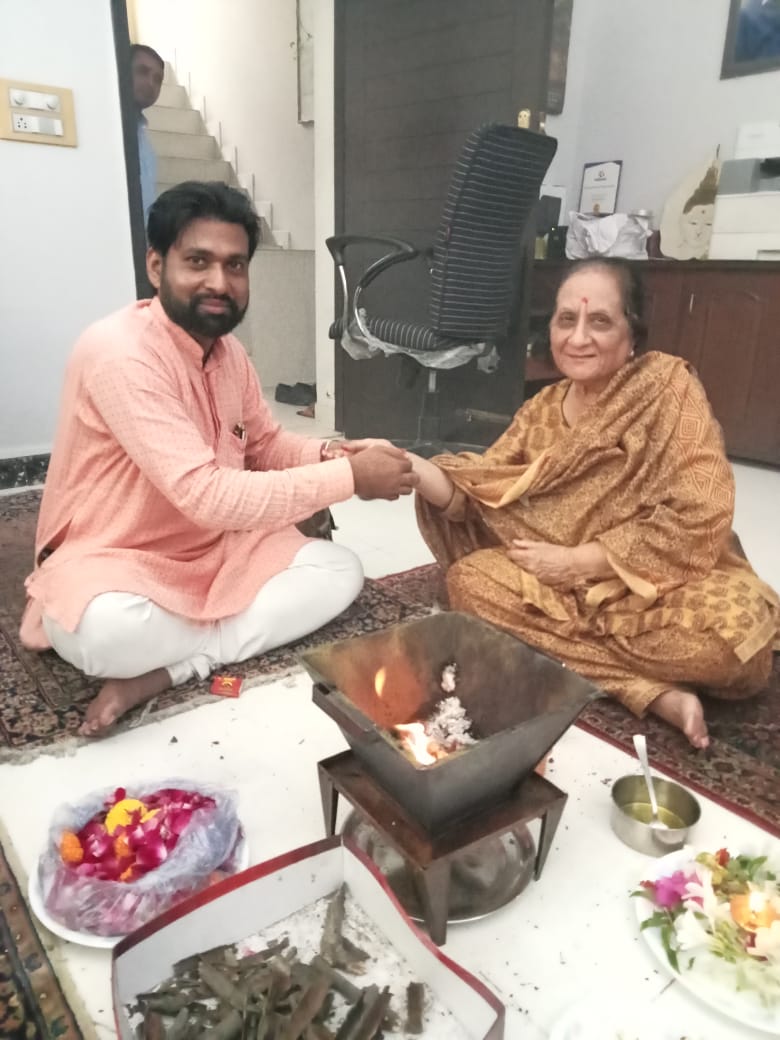
The Varshi Havan in Gurugram serves as an intimate annual gathering where generations unite to honor ancestral memories. The fragrant smoke of the Yajna purifies the domestic environment, while the collective chanting of hymns from the Yajurveda and Atharvaveda calms the emotional residue of grief. It allows grandchildren and younger family members to hear about the life struggles, achievements, and ethical principles of the departed elder, converting an annual memorial into an enduring source of character building and family strength.