Understanding Mundan Sanskar as a Development Milestone
Not Just Hair Removal, but a Structured Early-Life Transition
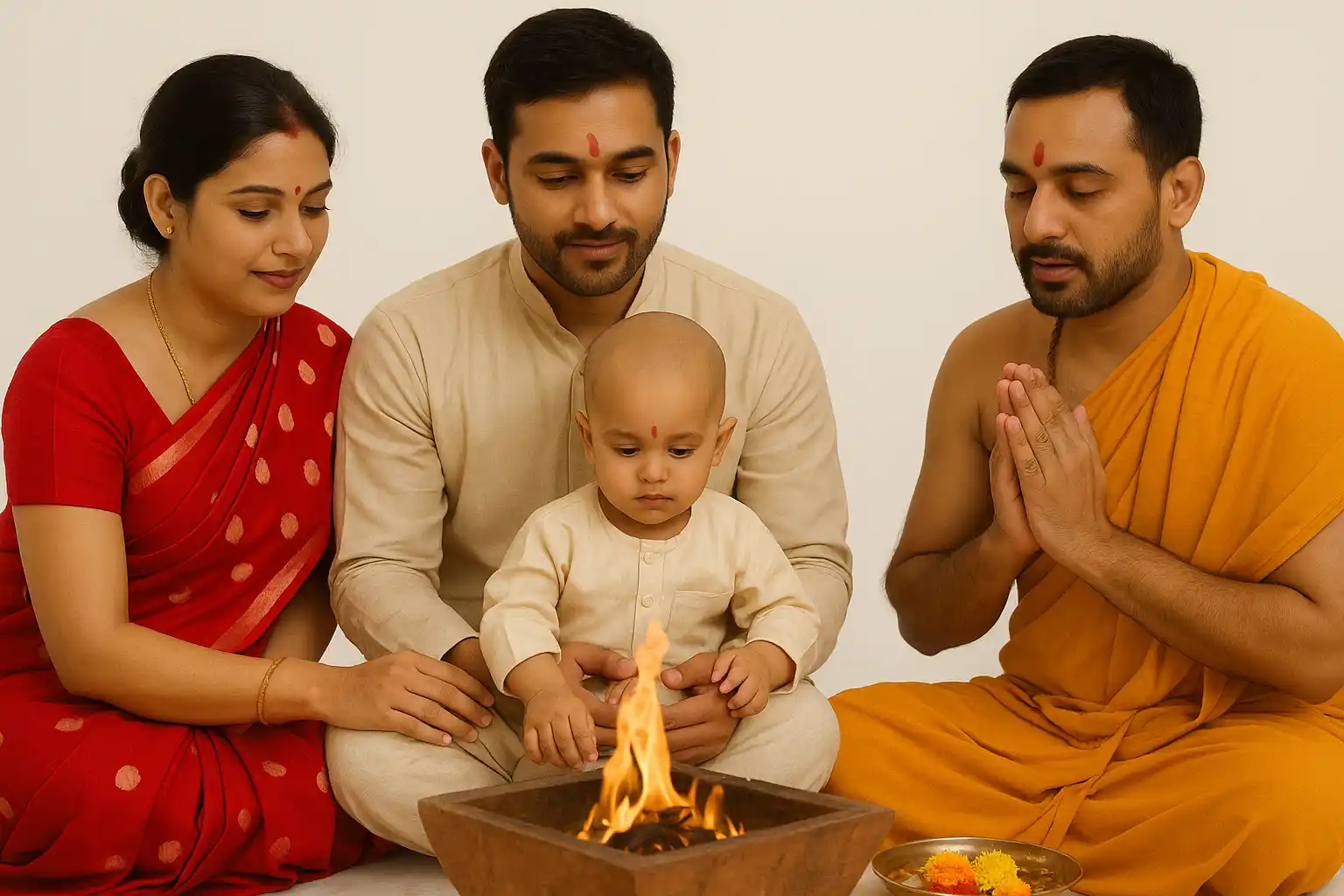
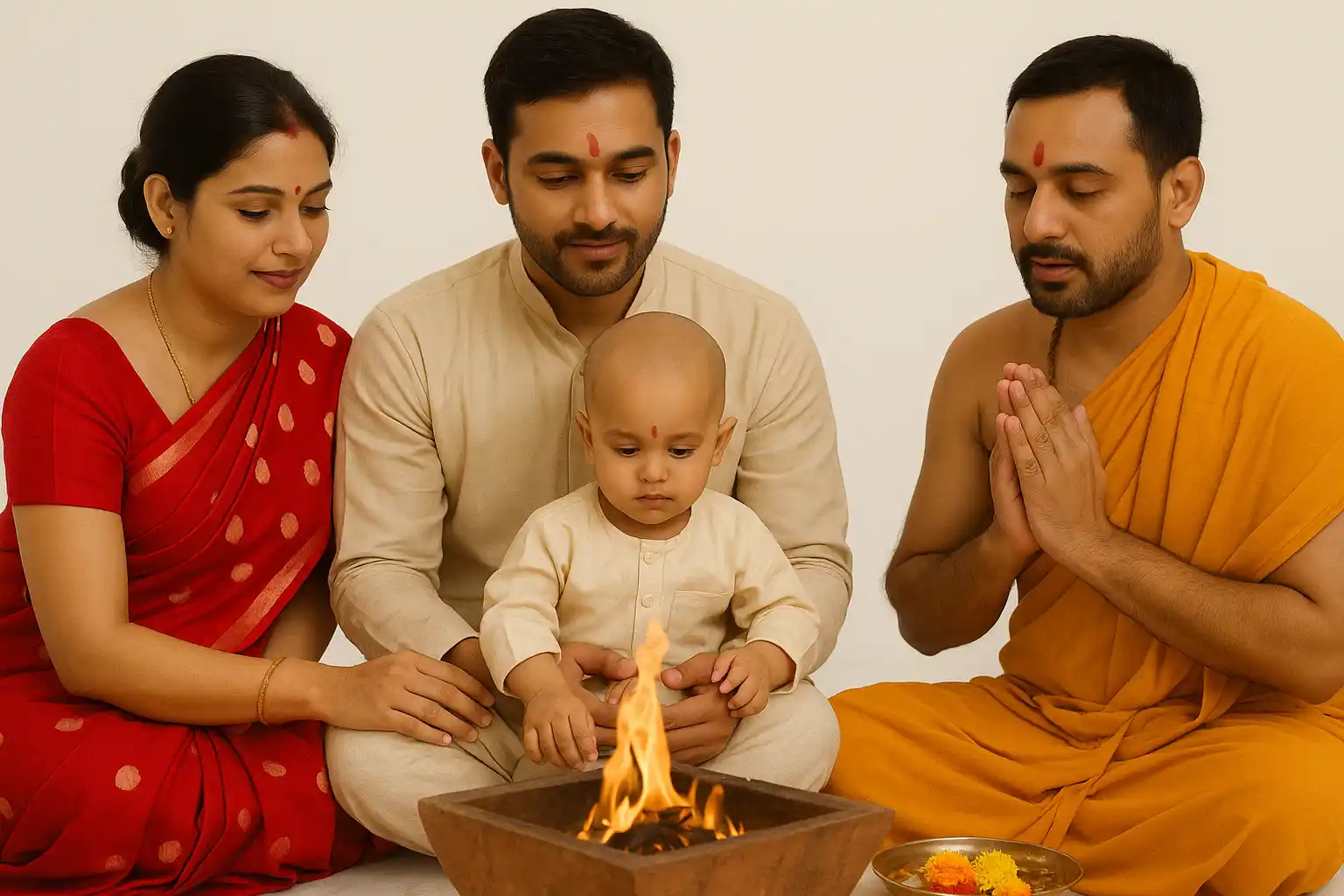
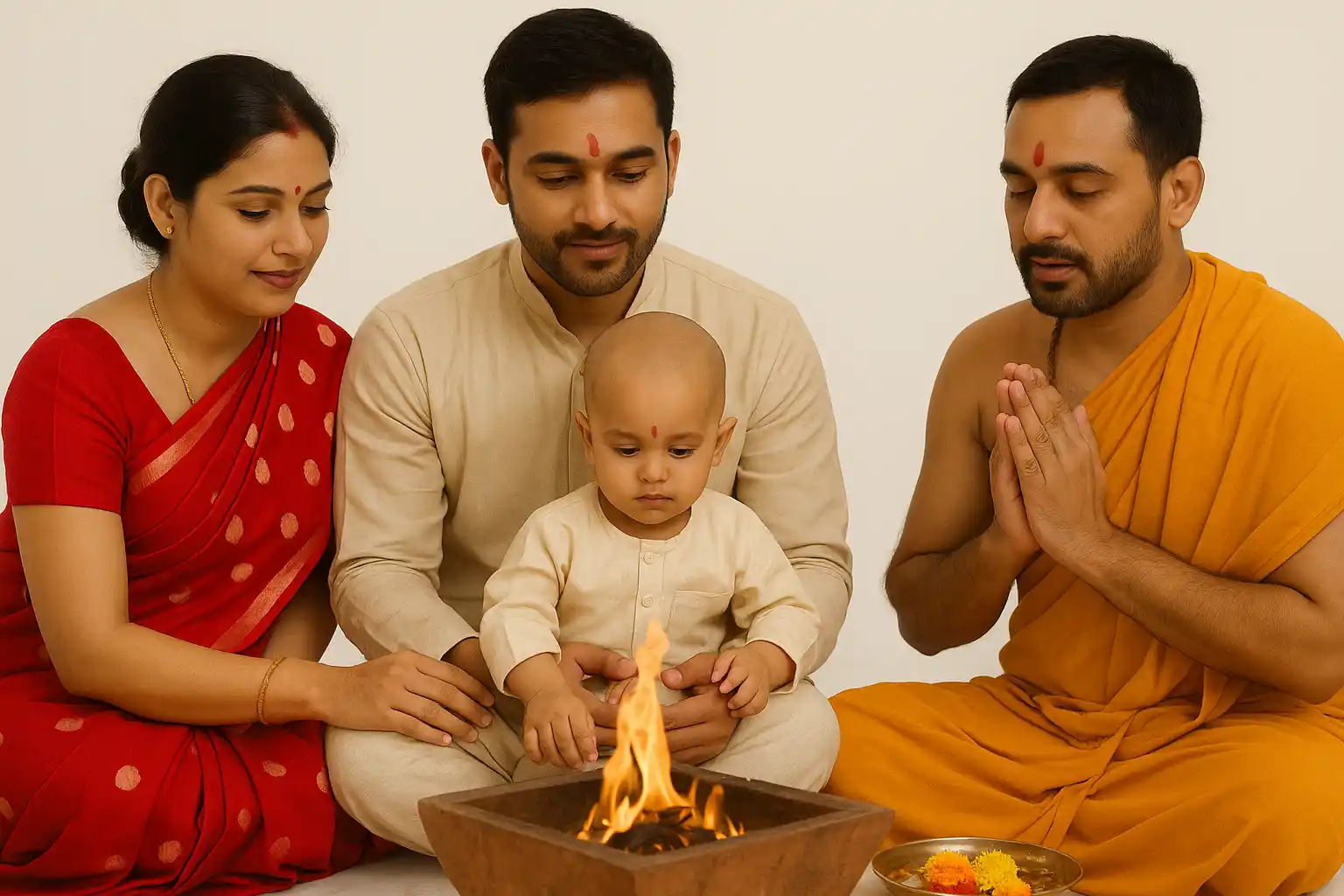
Mundan Sanskar, in Arya Samaj understanding, is not treated as a symbolic tradition but as a defined stage in a child’s early development cycle. It marks the transition from initial infancy toward a more stable phase of growth where physical care, hygiene, and structured upbringing begin to take a clearer form. The removal of the first hair is associated with cleansing and resetting, but more importantly, it represents a conscious acknowledgment that the child is entering a new stage of life.
In Gurugram, where parenting is more informed and health-oriented, families do not approach Mundan as a blind ritual. They look for clarity, safety, and purpose behind the process. This is why searches like “Mundan Havan Puja in Gurugram” or “Arya Samaj Pandit Ji for Mundan” are driven by intent, not just tradition. Parents want to understand why they are doing it and how it benefits the child.
Arya Samaj keeps the process grounded in Vedic logic. Instead of adding layers of ritual complexity, it focuses on creating a clean, calm, and disciplined environment where the sanskar is performed with awareness. The havan supports this by stabilizing the environment, while the overall process keeps the child’s comfort and safety as a priority.
This sanskar becomes meaningful for modern parents because it connects practical care with Vedic discipline. It allows them to perform an important milestone without confusion, and with a clear understanding of its purpose.
Parents in Gurugram generally value this approach because:
- It aligns with hygiene and early child care awareness
- It avoids unnecessary or uncomfortable rituals for the child
- It provides a clear reason behind the process
- It keeps the focus on the child rather than on formality
- It fits well within modern parenting mindset
Because of this, Mundan Sanskar is no longer seen as something that “has to be done,” but as something that is done with understanding and intention.